For many people living in rural communities, accessing a doctor has usually meant long drives into town, time off work, and limited changes for appointments. In some cases, seeing a specialist could involve hours on the road for a single visit.
But that model is changing.
Advances in digital healthcare are making it possible for patients to receive care from home, through virtual appointments, remote monitoring, and connected devices. At the center of this shift is something many people don’t immediately associate with healthcare: reliable, high speed fiber internet.
With the right connection in place, rural patients can access the same level of care, support, and monitoring as those in urban areas, without the travel. And increasingly, that level of care goes far beyond a simple video call.
Moving beyond basic telehealth
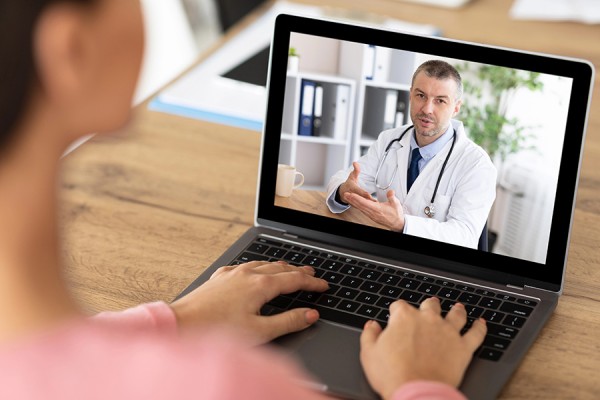
Telehealth has become one of the most visible changes in modern healthcare. Video consultations allow patients to speak with doctors, attend follow-up appointments, and receive guidance without leaving home.
But virtual appointments are only the beginning.
Today’s healthcare systems are expanding into continuous, connected care. That includes sharing medical data in real time, tracking long-term conditions remotely, and maintaining regular communication between patients and providers. These services require far more than a basic connection - they rely on the speed and reliability of rural fiber internet.
With fiber-to-the-home (FTTH) connections, patients can attend high-quality video appointments without lag, buffering, or dropped connections. This ensures that conversations feel natural, symptoms can be clearly observed, and care decisions can be made with confidence.
Enabling remote patient monitoring
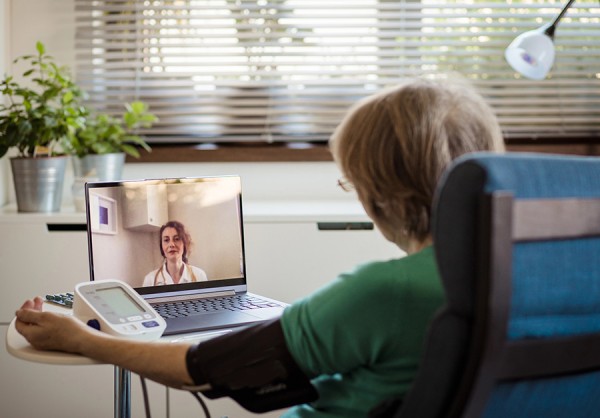
One of the most powerful developments in healthcare is remote patient monitoring. Devices such as blood pressure monitors, glucose sensors, and heart rate trackers can now collect and transmit health data directly to medical professionals.
For patients managing chronic conditions, this creates a more proactive approach to care. Instead of waiting for scheduled appointments, providers can monitor changes in real time and respond quickly if something looks concerning.
However, this constant flow of data depends on a stable connection. Slower or inconsistent networks, such as some forms of rural wireless internet, can delay or interrupt data transmission, limiting the effectiveness of these tools.
With high speed fiber internet, data can be uploaded instantly and securely. This allows healthcare providers to maintain an ongoing view of a patient’s health, improving outcomes and reducing the risk of complications.
Supporting wearable technology and real-time insights
Wearable devices are becoming an important part of everyday healthcare. From smartwatches that track heart rate and activity levels to advanced medical wearables that monitor specific conditions, these tools generate valuable insights into a patient’s health.
When connected to reliable broadband, wearable devices can continuously sync data with healthcare systems, creating a more complete picture of a patient’s wellbeing over time.
For rural patients, this is particularly important. It means that healthcare providers can stay informed between appointments, rather than relying solely on occasional check-ins.
With local fiber internet, this data transfer happens seamlessly in the background. Patients don’t have to worry about whether their connection can keep up, it simply works, supporting a more connected and responsive healthcare experience.
Making continuous care a reality
The combination of virtual appointments, remote monitoring, and wearable data is leading to a new model of care: continuous care.
Instead of healthcare being something that happens occasionally, it becomes an ongoing relationship between patient and provider. Questions can be answered quickly, issues can be addressed early, and treatment plans can be adjusted based on real-time information.
This approach is especially valuable in rural communities, where access to in-person care may be limited. With the support of rural high speed internet, patients can stay connected to their healthcare providers without the need for frequent travel.
For many, this means fewer missed appointments, better management of long-term conditions, and greater peace of mind knowing that support is always within reach.
Less travel, less stress
For many rural families, one of the biggest benefits of fiber-enabled healthcare is simple: less travel.
Long drives to appointments can be exhausting, expensive, and difficult to fit into everyday life. Some patients postpone care simply because getting there is too complicated.
With fiber internet, patients can access many services from home, including consultations, follow-ups, and routine check-ins. While not every medical need can be handled remotely, many can, and that makes a meaningful difference.
Being rural should not mean having to travel for hours to receive the care you deserve. Fiber helps close that gap by bringing healthcare closer to home.

Supporting families and caregivers
Fiber-powered healthcare doesn’t just benefit individual patients; it also supports families and caregivers.
Parents can consult with pediatricians without disrupting their day. Caregivers can monitor loved ones remotely and stay informed about their health. Family members can join virtual appointments, even if they live in different locations.
This connected approach makes it easier to coordinate care, ask questions, and ensure that patients are receiving the support they need.
For households already searching for affordable rural internet, the added value of healthcare access makes fiber an even more compelling choice.
A foundation for the future of healthcare
Healthcare technology will continue to evolve, with new tools, platforms, and services emerging in the years ahead. From advanced diagnostics to AI-driven insights, many of these innovations will rely on fast, reliable internet connections.
Fiber provides the infrastructure needed to support this future. Its capacity and reliability ensure that rural communities can adopt new technologies without being limited by their connection.
For those comparing options like affordable broadband services or considering different providers, it’s important to look beyond short-term solutions. Fiber offers long-term value by supporting not just today’s needs, but tomorrow’s possibilities.
Better connections, better care
Healthcare is changing, and connectivity is playing a central role in that transformation. From virtual appointments to continuous monitoring, the ability to send and receive data quickly and reliably is essential.
Fiber internet makes this possible. It allows rural patients to access high-quality care, stay connected to their providers, and manage their health more effectively—all from home.
At Conexon Connect, we’re proud to bring local internet solutions that support not just entertainment and work, but also something even more important: access to care.
Looking for reliable fiber internet? Discover how the right connection can bring healthcare closer to home and support a healthier future for your household.
FAQ
1. How does fiber internet improve virtual healthcare appointments?
Fiber internet provides the fast, reliable connection needed for smooth video consultations with healthcare providers. Patients can attend virtual appointments without buffering, lag, or dropped calls, allowing doctors to clearly communicate, observe symptoms, and provide better care from a distance.
2. What is remote patient monitoring, and why does internet speed matter?
Remote patient monitoring uses connected medical devices like blood pressure monitors, glucose sensors, and heart rate trackers to send health data directly to healthcare providers. A reliable fiber internet connection ensures this data is transmitted quickly and consistently, helping doctors monitor patients in real time and respond faster to health concerns.
3. Can fiber internet support wearable health devices?
Yes. Wearable devices such as smartwatches and medical trackers rely on stable internet connections to sync health data continuously. Fiber internet allows these devices to transfer information seamlessly, giving healthcare providers better insights into a patient’s health between appointments.
4. Why is fiber internet especially important for rural healthcare?
Rural patients often face long travel times and limited access to healthcare services. Fiber internet helps bridge this gap by enabling virtual appointments, remote monitoring, and connected care from home. This reduces the need for frequent travel while improving access to doctors, specialists, and ongoing support.
5. How does fiber internet support the future of healthcare?
Modern healthcare technology is becoming more connected and data-driven. From AI-assisted diagnostics to advanced monitoring tools, many new healthcare services require fast and reliable internet. Fiber internet provides the infrastructure needed to support these innovations, making it a long-term solution for improving healthcare access in rural communities.